Fitness tips, Nutrition/Live Healthy ,Recipes, Amazing facts, and recreational poems.

Tuesday, 22 March 2016

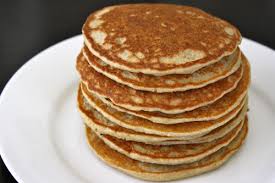
BANANA PANCAKES RECIPE [MY HOMEMADE SPECIAL RECIPE]

Steps on how to prepare Banana Pancakes by Beatrice Sargin

Banana pancakes -- very easy to prepare and delicious. A fruity anytime treat that's simple to make and will get you pretending like it's the weekend. With the right ingredients and a little time spent in the kitchen, you'll ensure that you have a truly delicious meal.

Ingredients--
  • 2 teaspoons (30 grams) baking powder
  • 1 teaspoon (5 grams) salt
  • 1 cup (225 grams) all-purpose flour
  • 2 tablespoons(50 grams) white sugar
  • 1/2 teaspoon (3 grams) nutmeg
  • 2 cups (450 ml) whole milk
  • Banana flavour/syrup
  • 1/4 cup (60 ml) vegetable oil
  • 3 eggs
  • 4 ripe bananas

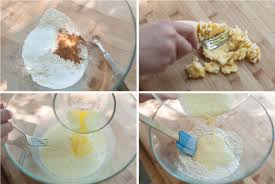
Step 1: Add the ripe 4 bananas into a bowl and marsh them.
Step 2: Add the 3 eggs and mix properly to avoid lumps.
Step 3: Add the 1 cup of flour.
Step 4: Add 2 teaspoons of baking powder.
Step 5: Add a pinch of salt.
Step 6: Add the ½ teaspoon of nutmeg.
Step 7: Add 1 teaspoon of banana syrup.
Step 8: Add 2 tablespoon of white sugar.
Step 9: Add the 2 cups of milk, mix everything properly to a cream paste.
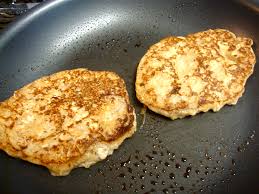
Step 10: Put a little amount of vegetable oil in a frying pan and heat for 30 secs, then start adding the mixed paste in the pan, create some space while doing that so that they won’t join together. Fry until light brown on both sides, remove and plate. Enjoy your fresh Banana Pancakes.


Wednesday, 9 March 2016

GREEN TEA FAT BURNING BENEFITS


Daily the desire for green tea increases. Especially those that belongs to the category that is a bit larger than life. Green tea has been scientifically proven to reduce body weights. Overweight is gradually becoming a problem in major developing countries. As a person ages, they tend to grow heavier and bigger, their risk for acquiring a disease is incredibly higher. But due to the impressive effects of green tea, gaining weight can no longer be a health threat.

Measure of gaining weight
There are uncountable reasons why people exhibits unwanted body weight gain. First, Their kind of lifestyle. In the case of someone who has the capacity to buy every single food on earth, gaining weight is the ultimate goal. The lifestyle of a person can definitely predict how healthy a person is both on the Inside and outside. In the case of a rich Individual, without restriction he will have all the money in the world to engage in bad eating habits like increased consumption of alcohol, junk foods and fatty foods.
Secondly, Lack of exercise causes you to gain weight.
Without physically challenging your body to do exercise using up the excess fats in your body, there is 100% chance that the excess fats in your body will be stored and not to be used up ever again. Exercise is very Important for people, especially those bigger in sizes. Exercise play a major role in the reduction of health risks and a lot of diseases thus, keeping your body  fit and at the same time working healthy.
Thirdly, Mental problems is another serious factor researchers are looking into. People tend to gain weight as a result of depression. When one is depressed, instead of crying his/her heart out, she gobbles up everything inside the fridge. Which can be very unhealthy and this can affect the individual psychologically and mentally.

Modern solution to chubbiness
Presently, If someone wants to get slimmer, a lot of people are resulting to surgery. Surgical procedures that costs a lot of fortunes are oftentimes the last resort of really big(Fat) people who wanted to be small (slim) in an instant. Liposuction is one type of surgical procedure that answers to fat reduction.


Green tea to the rescue
After much contemplations, Yes, the above stated solution can be very effective but people go into the risk of having major or minor side effects. There is a much better way to eliminate those fats naturally. And the answer is, "green tea". This is a different kind of tea which have numerous benefits aside from being a reliable fat burner. By adding green tea to every meal of yours, a person taking it will experience soothing effects. There are three things that fat burning green tea can do:
1. Increase Calorie Burning
Continuous usage of green tea can accelerate the metabolism of calories inside the human body. This processing is called as thermo-genesis. The function of green tea is to increase the heat inside the body thus, increasing metabolism and resulting to calorie burn-up.
2. Diminishing Appetite
Green tea aids in controlling one’s appetite. When a person’s appetite is controlled, the result will be, not wanting to eat. Nutrients that compose green tea signals to the brain and stomach that makes a person lose his appetite thus resulting in lesser food intake.
3. Energy levels are elevated
Green tea can shoot positive signals to the mind that enables the improvement of positive mental attitude. Because green tea compounds act on almost all systems in a human’s body, it tends to put the mind in a relaxed and positive state that make the body feel more balanced and in sync.

Thursday, 11 February 2016

TOP 20 FOODS THAT ARE GOOD FOR THE BRAIN

Growth is one of the characteristics of living things, our body grows continuously as it is for we breathe daily. One necessary thing we can do to optimize our health is to eat these amazing 20 foods that are good for enhancing the performances of our brain which regularly keeps our brain healthy.
When we are in good health, we thoroughly enjoy the great feeling, we sure strive to go to work daily having plenty of energy to be productive and happy knowing that our mind will remain sharp throughout the day and our whole lives generally. It is amazing to know that some food stimulate your brain and maximize your blood flow, while others deplete our metabolism.
Healthy food facts to take into consideration
Diet is probably the most essential thing that affects the health of the brain, selecting the right foods will help to keep the brain performing at peak performance. Not only is diet important for the whole body, but it is important in allowing the brain to grow and function well from birth to old age. The brain should be provided with enough protein and other nutrients in order to develop properly.
Choline: Choline is a water-soluble nutrient. It is usually grouped within the B-complex vitamins. It is one of the most vital elements necessary to create the neurotransmitter acetylcholine in the brain. It is usually found in foods like soybeans, egg yolks, peanuts and liver which also produces protein. If your diet doesn't include enough choline, the nerve cells will use their own membranes to make the acetylcholine that the brain needs.
Nutritionist will tell you that you need to eat foods that are fresh not processed because processed foods are made with refined flour, sugars, and preservatives, even though they may have some minerals and vitamins in them, however their nutrients cannot be compared to those found in fresh foods.
Fresh fruits and vegetables are  as close to nature as possible and include the most nutrients and vitamins. Fresh foods provides folate that helps in brain stimulation, Omega 3 fatty acids to enhance the brain's function, and tryptophan, which turns serotonin and relieves depression and insomnia. The foods you eat can also boost your mental clarity and brain growth and improves your alertness. These are but a few of the many important chemicals found in food that directly influence your brain's health. They also determine how you feel, whether you're energized, and how well you can think clearly.
The health of your brain depends on and is usually affected by the foods you eat. You have the power to provide your body and brain with the best foods to keep them both strong and healthy.

 BOOST YOUR BRAIN FIRST THING IN THE MORNING WITH GREAT BREAKFAST.
Well in case you don't know I'll tell you that breakfast is the most important meal of the day, but do you know why it is?  
Well, what you eat in the morning goes a long way forward giving your brain a boost as the day begins. In fact, people who skip breakfast in the morning are doing themselves a great displeasure because they are depriving their brain of so much needed nutrients that are so important for proper brain function.
A healthy breakfast has a positive effect on what we can remember and how well we perform in our daily lives. It also boost our creativity!
A good breakfast will provide your body with what it needs to fuel brain power and kick start your metabolism. Choosing an appropriate breakfast will help the brain for a good day start. The following breakfast can be selected from to kick start your brain for a good day ahead.
1. Whole grain foods such as whole grain breads or cereals - 
why choose this?
Whole grain foods stimulate your brain by providing foliate which brings oxygen-rich blood to the brain. They are also high in Vitamin B6 and thiamine. How does it help you get more done? These foods help you remember and focus. Plus, whole grains won't leave you feeling tired since it doesn't spike your blood sugar levels like breads or sugary cereals. 
How can you incorporate it into your diet? Have whole grain toast or cereals for your breakfast. You can also make a loaf enriched with whole grains, ground flax seeds, or nuts.

2. Walnuts, almonds, pecans, and cashews
why is it good for you? Walnuts provide omega 3 and Omega- 6 fatty acids as well as vitamins E and B6. They help correct the brain's serotanin level. Almonds contain riboflavin which boosts memory. Pecans provide choline which helps with memory and brain development. Cashews are high in magnesium which allows more energy to the brain. 
How does it help you get more done? Nuts help boost your memory and increase brain membrane functions, which allows more oxygen to the brain. How can you incorporate it into your diet? Add nuts to whole grain cereals or eat them alone. You can also create or buy nut butters (similar to peanut butter) to spread on whole grain toast.

3. Blueberries, Strawberries and Blackberries -
why is it good for you? Blueberries contain ellagic acid which prevents brain cell damage. Strawberries are rich in antioxidants, and blackberries contain anthocyanins which  fights degenerative brain diseases. 
How does it help you get more done? Berries strengthen  the brain by helping with memory and cognitive skills. Berries also improve brain cell communication.
How can you incorporate it into your diet? Add berries to your cereal or whip up a berry-rich smoothie.

4.Seeds such as sunflower or pumpkin
why is it good for you? Seeds and nuts boost your mood and affect your brain power. They contain thiamine which increases memory and cognitive function as well as zinc, Vitamin A and E and omega 3 and 6 fatty acids.
How does it help you get more done? You will be able to think clearly and remember more.
How can you incorporate it into your diet? Add seeds to your smoothie or make muffins with whole grains, nuts and seeds.

5. Eggs - 
Why is it good for you? Eggs contains choline which helps to boost your memory. 
How does it help you get more done? If  you remember more you won't have to search for information because you'll have it readily accessible in your brain. 
How can you incorporate it into your diet? Eggs are one of the easiest foods to incorporate into your diet. Cooking them by poaching or boiling is healthier than frying them.

LUNCH- GETTING THROUGH THE DAY WITH ENERGY
It's true indeed that breakfast is most important meal of the day because it provides the nutrient and energy you need to get your day started right. When it comes to portions, "your lunch should be larger than your dinner" By consuming most of your health-packed calories during the middle of the day, you're providing yourself with the energy you need to keep going strong until the end of the day.
These five foods will provide the energy you need:
6. Avocados- 
why is it good for you? Your brain needs healthy fats to function properly. Avocados are nearly as good as berries for brain health. The mono-unsaturated fats allow blood to flow properly which is imperative for a healthy brain. 
How does it help you get more done? Without energy blood flowing to the brain, it would soon become starved of oxygen. Increased blood flow to your brain allows you think clearly and remain alert. 
How can you incorporate it into your diet? Add half of an avocado to a healthy tossed salad or eat the slices on the side. Sprinkle some lemon juice, salt, or honey for different flavours and textures.
7. Tomatoes- 
why is it good for you? Tomatoes have an abundance of lycopene, which helps protect our brains against damage caused by free radicals. They are also full of Vitamin A and C as well as potassium. 
How does it help you get more done? Free radicals are thought to be a major factor in the development of dementia or Alzheimer's disease . By eating more tomatoes, whether raw or cooked, you may reduce your chances of developing these diseases.
How can you incorporate it into your diet? The health benefits of tomatoes remain whether they are eaten raw or cooked.  Eat them sliced on sandwiches, in salads, or as a sauce for whole wheat pasta.
8. Broccoli- 
why is it good for you? Broccoli is high in several nutrients including vitamin K.
How does it help you get more done? Vitamin K enhances your cognitive abilities and improves your brain power.
How can you incorporate it into your diet? Cut it up in a salad, steam it, or eat it raw with hummus dip.
9. Red cabbage -
why is it good for you? Red cabbage provides you with the antioxidant polyphenol.
How does it help you get more done? Polyphenols reduce cell damage, which may be helpful in preventing Alzheimer's disease.
How can you incorporate it into your diet? To get the most benefit from cabbage, shred it and eat it raw in a salad or slaw.
10. Spinach-
why is it good for you? Folic acid is one of the main nutrients to be found in spinach.
How does it help you get more done? The folic acid in spinach aids your memory. It also helps slow down the effects of aging and can improve your ability to learn.
How can you incorporate it into your diet? Eat it raw in a salad or use the leaves in place of iceberg lettuce in a sandwich.
 SNACKS TO HELP YOU GET THINGS DONE
You may have heard that snacking between meals isn't good for you. however, the real truth is that snacks in the afternoon can help give you an energy boost, awaken your brain, and give you a much needed break.
Here are five snack foods to nourish your brain:
11. Green tea-
why is it good for you? Green tea has catechines in it which help you relax. it also has polyphenols which stimulate the development of dopamine. these help the brain run smoothly by maintaining levels of glucose in your body.
How does it help you get more done? Tea enhances memory and focus and helps in fighting mental fatigue.
How can you incorporate it into your diet? Drink a cup sweetened with honey or raw agave, instead of white sugar, for a healthier beverage.
12. Dark chocolate-
why is it good for you? Dark chocolate contains powerful antioxidants and stimulates your brain naturally.
How does it help you get more done? There are flavanoids in the chocolate that aid in bringing blood to the brain and enhance your ability to think clearly.
How can you incorporate it into your diet? Use dark chocolate sparingly as a snack and over milk chocolate. Remember, it is high in fat and calories so you may want to use it as a special treat.
13. Bananas - 
why is it good for you? Bananas help raise your serotonin levels which improves your mood, naturally, if you are in a better mood you'll be more productive.
How can you incorporate it into your diet? Eat them raw, add them to fruit salads or use them in your favourite smoothie.
14. Yogurt -
why is it good for you? Not only does yogurt have calcium, which is good for your bones, but it also has an amino acid called tyrosine which produces neurotransmitters- dopamine and noradrenalin.
How does it get more done? Drinking yogurt when you're running out of steam improves your memory and helps make you more alert.
How can you incorporate it into your diet? Yogurt can be taken straight of the package or mixed with  fruit for smoothies.
15. Cottage cheese -
why is it good for you? Any type of cheese will provide calcium. It also has a good supply of protein.  
How does it help you get more done? Protein in cottage cheese increases serotonin which makes you feel more satisfied. This may enable you to get more work done because you feel nourished.
How can you incorporate it into your diet? Enjoy a serving by itself, cooked in pasta dishes, or as an accompaniment of salad.

DINNER- DON'T STUFF YOURSELF
It is very easy to over eat at dinner time, unfortunately, if you do, your body has to work harder to digest the food. Instead of being able to relax and prepare for tomorrow, your body and brain are working hard at processing many foods.
Eat sparingly at dinner with an eye toward providing what your body needs overnight.
Here are five foods to eat with your evening meal
16. Eggplant -  
why choose this? Nasunin is found in the skins of eggplants. This nutrient is an antioxidant that helps keep our brains sharp by allowing brain cells to communicate better.
How does  it help you get more done? If you want improved focus, add eggplant to your diet. Eggplant also helps us retain our memory longer and can help us enhance our learning through greater attention and concentration.
How can you incorporate it into your diet? Slice and grill them. They can be added to salads, sandwiches and sauces.
17. Extra lean beef -
why choose this? Beef is a great source of protein, which is important to fuel the brain. It also provides vitamin A, B, C, E, magnesium, iron and zinc.
How does it help you more done? Iron is important to maintaining thought functions and helps improves our memories.
How can you incorporate it into your diet? Grill a steak or hamburger. You can also use beef for shish kabobs or stir-fry. The key, though, is that the portion of meat should be about the size of a deck of cards.
18. Wild Salmon - 
why is it good for you? You probably can't find a better source of omega 3 fatty acids than those found in deep-water fish.
How does it help you get more done? Omega 3 fatty acids are important for improving memory and learning. They also help fight off depression which could adversely affect our productivity.
How can you incorporate it into your diet? Grill a salmon steak for dinner, use it on a salad, or use it raw in sushi. You can also take omega 3 fatty oils or supplements.
19. Romaine lettuce - 
why is it good for you? Leafy greens like romaine lettuce contains Vitamins A, C and K, minerals and can be eaten without fear of fats or calories.
How does it help you get more done? The vitamins and minerals help slow loss of thought or reasoning skills.
How can you incorporate it into your diet? Use it in place of iceberg lettuce in salads or eat it in your favourite healthy sandwich.
20. Dry beans - 
why is it good for you? They are rich with Vitamin B5, folic acid and magnesium.
How does it help you get more done? B Vitamins are essential for normal brain functions. If your brain isn't functioning smoothly, you won't get any work done.
How can you incorporate it into your diet? Make soup, chili or have them as a side dish.

HEALTHY EATING TIPS
These top 20 brain enhncing foods are easy to find in your local grocery stores and easy to incorporate into your family's diet. Each of these foods are packed with vitamins and minerals that affect your brain in different ways. Some energize the body, Others stimulate the brain, and still others enhance your thinking ability. After eating these fods, you may also find that you are more creative than you've ever been.
Each food, in its own way, helps you get more work done and can help you enjoy
your life more.
Even though these foods are healthy and promote a healthy brain, you must still "eat all foods in moderation". If you over eat, you reduce the good benefits because you are providing more calories than your body needs. Watch your serving sizes to ensure that get the most benefit from each food on the list.
Finally, remember that your best bet for enhancing your brain is to eat fruits and vegetables as close to natural as possible. Cooking can reduce the number of vitamins and minerals that remain in a food.
Choose fruits and vegetables that are vibrant and colourful to be sure you're getting the most nutrients.
Finding new recipes can add variety to your menu and help you include more of these top 20 brain enhancing foods into your diet. Your body and brain will thank you
Monday, 11 January 2016

10 BEST FOODS FOR LOWERING YOUR CHOLESTEROL

If you have unhealthy cholesterol levels or want to prevent them, one of the first things you should examine is your diet. Are you eating foods that help reduce cholesterol? Or avoiding the ones that cause unhealthy cholesterol levels to creep higher? If not, we’ve got 10 cholesterol-lowering foods you should grab next time you’re at the grocery store.
1. Oatmeal, oat bran and high-fibre foods: Over the years, there have been many research studies that have proven the benefits of oatmeal in lowering cholesterol levels. The U.S. Food and Drug Administration is convinced too: Oatmeal was one of the first foods to carry the heart healthy distinction on its label because of promising research findings. Oatmeal seems to be most effective in lowering cholesterol (“bad” cholesterol) levels. According to the studies in adults, LDL cholesterol may be lowered by 10 percent in some cases. In these studies, anywhere between 40 and 60 grams — or roughly one bowl — of oatmeal was consumed by each subject per day. The cholesterol lowering benefits of oatmeal is also dose-dependent. That is, the more oatmeal you eat, the lower your cholesterol will go.

2. Olive Oil: Olive oil has long been popular for both cooking and seasoning in Mediterranean countries. These days, however, it’s being rediscovered in America. The low frequency of heart disease among those living in Mediterranean countries, despite lifestyles similar to more industrialized nations, has made us look more closely at their diets.The heavy use of olive oil by people living in that part of the world is the source of the high level of monounsaturated fat in their diets. Olive oil is rich in oleic acid, the most common monounsaturated fatty acid found in the diet. Numerous studies indicate that monounsaturated fat is about as effective as polyunsaturated fat in lowering total blood cholesterol and LDL cholesterol, when substituted for saturated fat in the diet. Plus, monounsaturated fat does not lower beneficial HDL cholesterol or raise triglycerides, unlike polyunsaturated fat, which, at high intakes, may lower HDL cholesterol.The Food and Drug Administration allows manufacturers of olive oil to claim that “limited but not conclusive evidence suggests that eating about two tablespoons of olive oil daily may reduce the risk of coronary heart disease due to the monounsaturated fat in olive oil.”

3. Soy: Reducing saturated fat is the single most important dietary change you can make to cut blood cholesterol. Used as a replacement for meat and cheese, soy foods help your heart by slashing the amount of saturated fat that you eat.Why is saturated fat so bad for your heart? The liver uses saturated fat to make cholesterol, so eating foods with too much saturated fat can increase cholesterol levels, especially low-density lipoproteins (LDL)—the bad cholesterol. Saturated fats are usually found in animal products such as whole milk, cream, butter, and cheese, and meats, such as beef, lamb and pork. There are some plant-based saturated fats you should avoid too, notably palm kernel oil, coconut oil, and vegetable shortening.Not familiar with soy foods? The basics include tofu, soy nuts, soy flour, and enriched soymilk. Great-tasting, protein-rich meat alternatives include soy sausage, and breaded cutlets and nuggets that taste like chicken.The FDA recommends getting at least 25 grams of soy protein each day. Consuming 25 grams of soy protein daily lowers high cholesterol.

4. Foods Containing Sterols And Stanols: Sterols and stanols extracted from plants gum up the body’s ability to absorb cholesterol from food,” according to HEALTHbeat. You can find sterols and stanols in an increasing amount of foods like margarine, granola and chocolate. Check food labels to see if they contain these helpful plant substances.

5. Garlic: Garlic is an excellent substance to add in your diet to contain the cholesterol level. When you have increased levels of cholesterol, take as much garlic as possible in your diet. It will certainly reduce cholesterol level without causing any side effects. Although it is best to take it in raw form, it is equally efficacious in other forms like pickles.A study that used dried garlic powder over 8 to 12 weeks showed significant reductions in total cholesterol, LDL cholesterol, and triglycerides, but the effect didn’t last beyond six months of treatment, suggesting that garlic has only a short-term effect on cholesterol. If you choose to include more garlic in your diet, the worst outcome may be strong breath or an upset stomach.

6. Dark chocolate: Chocolate has over 300 naturally occurring chemicals within it. The most infamous chemicals include caffeine, sugar, and cocoa. However, one of the lesser-known chemicals found in chocolate are referred to as flavonoids. Flavonoids are the same chemicals found in red wine, which has also been found to lower LDL cholesterol (low density lipoproteins, “bad” cholesterol) levels as well as exert a protective effect against coronary heart disease. In addition to this, one-third of the fat content found in chocolate is in the form of stearic acid.Despite the benefits that chocolate may have, it shouldn’t be an excuse to consume it at every meal! Chocolate should be consumed only in moderation, preferably in accompaniment with a healthy diet. It should also not be used to replace the other healthy sources of flavonoids in your diet, such as grapes and blueberries.

7. Avocados: Avocados are a great source of heart-healthy monounsaturated fat?a type of fat that may actually help to raise levels of HDL (“good”cholesterol) while lowering levels of LDL (“bad” cholesterol). And these delectable green orbs pack more of the cholesterol-smashing beta-sitosterol (a beneficial plant-based fat) than any other fruit. Beta-sitosterol reduces the amount of cholesterol absorbed from food. So the combination of beta-sitosterol and monounsaturated fat makes the avocado an excellent cholesterol buster.The American Heart Association recommends that you get up to 15%t of your daily calories from monounsaturated fats like those contained in avocados, but some heart experts recommend an even greater percentage. (In an 1,800-calorie diet, 15% translates into 30 grams per day.) FYI: A whole avocado has about 300 calories and 30g fat.

8. Margarine: Two margarines are proven to help lower your cholesterol numbers: Take Control and Benecol. They do so by blocking the absorption of the cholesterol contained in your food and bile.Take Control margarine is made with plant sterols that are proven to lower both total and LDL cholesterol by up to 14%. The plant stanols in Benecol margarine work the same way. Both the National Cholesterol Education Program and the American Heart Association recommend these margarines.In studies, three servings a day of Benecol helped drop total blood cholesterol by an average of 10% and LDL cholesterol by 14%. Take Control helped drop total cholesterol an average of 6 to 8 percent and LDL by 7 to 10% with one to two servings a day. Check labels for serving size.

9. Tea: Tea, whether it’s iced or hot, delivers a blast of antioxidant compounds. Studies prove that tea helps to keep blood vessels relaxed and prevent blood clots. Flavonoids, the major antioxidants in tea, have been shown to prevent the oxidation of LDL cholesterol that leads to plaque formation on artery walls. These powerful antioxidants may even reduce cholesterol and even lower blood pressure.A cup of hot tea actually contains more antioxidants than a serving of any fruit or vegetable. Both green and black teas have high antioxidant levels. Enjoy at least one cup of tea every day.

10. Fish: Eating fatty fish can be heart healthy because of its high levels of omega-3 fatty acids, which can reduce your blood pressure and risk of developing blood clots. In people who have already had heart attacks, fish oil — or omega-3 fatty acids — reduces the risk of sudden death.The American Heart Association recommends eating at least two servings of fish a week. You should bake or grill the fish to avoid adding unhealthy fats.

Monday, 7 December 2015

19 FAT BURNING FOODS TO STAY FIT AND HEALTHY


 It is only natural that some of us keep looking for the miracle food for weight loss, in some cases, foods with exotic name and fancy look. Well, maybe you are forgetting those commonly available foods, often undervalued but second to none in terms of detox and metabolism booster qualities. I have made a list of 19 of them!
1. Garlic - It has lots of minerals, enzymes and amino acids; contains Vitamins A,B1,B2,B6,B12,C,D. Only 41 Kcal per 100 grams will Help you to reactivate Your metabolism while keeping the cholesterol to rock low levels.
 
2. Banana - It has sugars with little fats; contains Calcium, Iron, Magnesium, Potassium, Vitamins: A,C, Tannin and Serotonin. Only 66 Kcal per 100 grams and it is a great appetite suppressant snack.


3. Onion - It is Very rich of Vitamins A,C,E, and of B group of vitamins. Also it has Potassium, Calcium, Sodium; it help diuretic activity and a great cellulite fighter. It Helps to keep blood sugars stable, It purifies the blood, protects the brain, it is high in fibre, low in sodium, it increases sperm count, serves as an antibiotics (acts as a first aid when chewed if bitten by a snake or scorpion) and a best energy producing veggies.


4. Med grass - It is not popularly used in today's alimentation, but is a great friend of weight loss. It also Helps curbing fats intake.


5. Strawberry - With low Sugars, Minerals and Vitamin C rich. Only 27 Kcal per 100 grams is enough to burn more than enough fat for one day.

6.  Corn Flakes - It has Cereals, Legumes mixed though. Helps a lot Your metabolism and only 14 Kcal per 100 grams will keep you healthy for a day.


7. Kiwi - It contains Potassium, rich and Calcium, Iron, and Zinc too, it is a great source of Vitamin C,  has lots of fibres, and very helpful to stimulate diuretic functions.


8. Salad - It is Rich in fibres and very poor in calories (only 14 Kcal per 100 grams); it aids diuretic functions and acts as an appetite suppressant, thanks to big volume / low Kcal ratio. It is filled with lots of minerals too and fruit salad is frequently used as a Paleo recipe.


9. Lemon - It has the lowest sugar content for the same fruit family (only 2,3%), it is rich in Vitamins and only 11 Kcal per 100 grams. It helps blood circulation and fights Cellulitis.


10. Apple - Rich in Vitamin C and E, Potassium, Magnesium, Tannin, it acts as a great high cholesterol fighter.


11. Nut - Rich in Fats, Proteins, Sugars and Vitamins. It helps Fat Burning thanks to good Calcium+Magnesium contents. Its easy once you chose to try them. Examples of Nuts, we have cashew nuts, hazelnuts, almonds, macadamia, peanuts, pistachio, Pecan nuts, pumpkin seeds, walnuts, Brazil nuts, corn nuts, sunflower seeds, Soy nuts, black walnuts,


12. Wheat - With only 319 Kcal per 100 grams and very rich in Proteins, Amino acids, Iron, Calcium, Potassium and Magnesium. It is a also good content of Vitamins B. It helps diuretic functions and fights emotional eating.


13. Chicken - This is white meat that is  low in fat content, eating chicken helps to limit intake of fats, sodium and cholesterol. Which is actually very good.


14. Rucola Salad - Great content of Vitamin A and C, and a great Metabolism booster. Only 16 KCAL per 100 grams.


15. Soy - Its rich in Proteins and folic Acid. It helps to fight Weight gaining and helps in re-balancing metabolism.


16. Tea - It contains fat burning caffeine, minerals and B group Vitamins. It Stimulates Metabolism and has a 0 Calories intake.


17. Egg - It does not burn fat as such but fills you up. It is a hyper-proteic food that has lots of Minerals and Enzymes, it helps groom non fat mass which is crucial to increase the body fat burning. Some advice is to avoid dairy products completely for good health.


18. Wine - It contains antioxidant substances that helps to protect the heart and fight ageing.


19. Pumpkin -Rich in B,C,E Vitamins, minerals and only 18 Kcal per 100 grams. It helps diuretic functions.


Monday, 23 November 2015

TOP 10 BEST FOODS FOR PREGNANCY

Now that you’re expecting, it’s more important than ever to eat right. So what tops our list of eat-smart tips for expectant mamas? Read on to find out what to eat while pregnant.
1. Eggs: In addition to more than 12 vitamins and minerals, eggs contain lots of quality protein, which is essential for pregnancy. Baby’s cells are growing at an exponential rate, and every cell is made of protein, plus, a pregnant woman has her own protein needs.Eggs are also rich in choline, which promotes your baby’s overall growth and brain health, while helping prevent neural tube defects. Some even contain omega-3 fats, important for both brain and vision development. (Brands that have omega-3 fats will probably state so on the label.)As for eggs’ bad rap for cholesterol? Not warranted. It turns out that eating saturated fat does much more damage to your cholesterol level than eating the cholesterol naturally found in food. And while eggs are high in cholesterol, they’re also relatively low in saturated fat, with about one and a half grams per egg.Healthy women with normal blood cholesterol can consume one to two eggs a day as part of a balanced diet low in saturated fat.
Image result for eggs

2. Avocados: Loaded with folic acid (vital to forming your baby’s brain and nervous system), potassium, vitamin C, and vitamin B6 (which not only helps baby’s tissue and brain growth, but may also help with your morning sickness), avocados are a delicious way to get your vitamins. Spread some ripe avocado on your whole grain roll as a healthy substitute for mayo. Keep in mind that avocados are high in fat (though the very good kind) and calories, so heap them on your plate only if you’re having trouble gaining weight.

Image result for avocado

3. Carrots: Carrots are tops when it comes to vitamin A, so important for the development of your baby’s bones, teeth, and eyes. They’re perfect for munching on the go, but they also shred neatly into almost anything (from salads to meatloaf to cakes to muffins). Carrots are also a good source of vitamins B6 and C, and fibre to keep things moving.


Image result for carrots

4. Salmon: Omega-3 fatty acids are good for your baby’s brain and eyes, and salmon is a great source. Plus it provides protein and B vitamins. Salmon is also relatively low in mercury compared to other fish. Try it grilled, broiled, or on a salad. You can safely eat up to 12 ounces of low-mercury fish, such as salmon, per week.
Image result for salmon
5. Legumes: Legumes are high in folic acid (foliate), which is vital to the development of the baby’s neural tube. The neural tube forms during the first month of pregnancy and later develops into the baby’s brain and spinal cord. The U.S. Centres for Disease Control and Prevention (CDC) recommends a daily consumption of at least 4 milligrams of folic acid (a B vitamin) to decreases the risk of neural tube defects, such a spinal bifida.Legumes are also filled with a high content of iron. Iron is necessary to the development of red blood cells, which carry oxygen throughout the body. Without enough oxygen, the body’s organs and tissues cannot operate well. Iron also helps fight pregnancy symptoms of tiredness, irritability, and depression. During pregnancy, iron is absorbed at a quicker rate so a higher intake is required to ensure both mother and baby get the adequate amount. The recommended daily intake (RDI) of iron during pregnancy is 27mg per day.Another added benefit of legumes is they are loaded with fibre. This helps combat the discomfort of constipation, a common problem among pregnant women.

Image result for legumes

6. Sweet Potatoes: Although sweet potatoes would be a nutritious addition to anyone’s diet, pregnant women might find them particularly beneficial. Sweet potatoes naturally contain several of the nutrients women need during pregnancy, including protein, fibre, foliate, vitamin A and vitamin C. Sweet potatoes also are low in calories and fat and do not contain any cholesterol. When you are pregnant, you require about 75 to 100 g of protein, which helps your unborn baby grow properly and plays a role in increasing your blood supply. You also need to get more vitamin A, vitamin C, thiamine, riboflavin, niacin, vitamin B-6, foliate, vitamin B-12, copper, magnesium, manganese and zinc than women who are not pregnant. Iron intake should increase from 18 g to 27 g a day during pregnancy. Although higher iron consumption could lead to constipation, getting at least 25 g to 30 g of fibre each day should help prevent this. Sweet potatoes are a good source of almost all of these nutrients.
Image result for sweet potato

7 Walnuts: Naturopathic physician Heather Manley points out that walnuts resemble little brains, so it just makes sense that they’re good for your mind. And the science backs it up; walnuts boost memory because they’re rich in antioxidants as well as Omega-3 and Omega-6 fatty acids. An added benefit is that walnuts boost the body’s melatonin levels, which can help cure the restless nights that pregnant women often endure.
Image result for walnut

8. Lean Meats: Women need extra iron when they’re pregnant, and the best natural source is red meat. Iron carries oxygen to your brain and to your baby’s brain; furthermore, there’s a link between low iron and poor brain function in babies, so it’s essential to consume a healthy amount of the vitamin during pregnancy. If you’re a red meat lover, the leanest cuts of beef include round and sirloin. Bison meat is an even leaner option and has considerably more iron than beef.
Image result for lean meat

9. Figs: There’s a whopping 5 grams of fibre in just 1 cup of dried figs. Plus, figs are a great nondairy source of calcium; one serving contains about a quarter of your daily needs (1,000 milligrams). And while your teeth may not appreciate the high sugar content, they will benefit from the potassium, phosphorus and magnesium in figs. These tooth-supporting nutrients aren’t just great for your own mouth; they are essential to the 32 teeth forming below the gums in your growing baby’s mouth.Figs are also a good source of iron. Iron deficiency can cause anaemia, especially during pregnancy, thanks to the increase in your blood volume and growing demands by the baby for iron to produce millions of red blood cells. Stewed figs contain about 3 milligrams of iron (about 10 percent of your daily recommended intake) in 1 cup. The same number of figs will also provide your body with 23 micrograms of vitamin K, which is needed for proper blood clotting and bone formation.
Image result for figs

10. Basil: Basil is a pregnancy super food. This fresh herb is a good source of protein, vitamin E, riboflavin, and niacin; plus, it’s a very good source of dietary fibre, vitamin A, vitamin C, vitamin K, vitamin B6, magnesium, phosphorus, potassium, zinc, copper and manganese.
Image result for basil